
Welcome to CERA – Collaboration and Exchange with Researchers in Africa
 CERA is a flagship fellowship and partnership program that takes advantage of synergistic complementarity between America and Africa in the graph-based description of nature-abundant nanomaterials essential for multiple technologies. The aim of this program is to advance talent, creativity, and ingenuity through joint research and knowledge exchange for the mutual benefit of people in America and Africa.
Strategic Impact:
CERA prioritizes collaborative efforts in materials science, additive manufacturing, software development, and artificial intelligence, enabling technological innovation, out-of-the-box entrepreneurship, and global competitiveness. By collaborating with scientists from leading African research institutions, CERA builds mutually beneficial relationships that support innovation in nanostructured materials, critical minerals, energy resilience, and food security. We are translating U.S. findings into new ventures that serve the emerging markets.
Mission:
Our mission is to enable talented minds on both continents to collectively address pressing global and regional challenges.
Nanostructured Materials and Critical Minerals
Advance research, knowledge sharing, and technology development focused on critical minerals, including rare earth metals, and battery materials.
Entrepreneurship & Technology Translation
Under our CERA-E (E for entrepreneurship) we collaborate to translate research from our labs into emerging markets, expanding the broader impact of America’s scientific output.
Bijective Exchange Model
American scientists gain firsthand experience working in African laboratories, adapting to resourceful scientific problem-solving; African scientists access U.S. labs to learn advanced techniques and build strategic peer networks.
World-Class Training
Participate in advanced workshops, seminars, and training sessions led by leading experts.
Mentorship
Receive personalized guidance from experienced mentors in your field of study.
Collaborative Projects
Engage in collaborative research projects with U.S.-based institutions.
Collaborative Research and Capacity Building
Joint projects bridge mathematics, machine learning, manufacturing, energy solutions, focused on real-world applications relevant to national security and economic prosperity.
Mutual Learning & Professional Development
Comprehensive mentoring, resource sharing, and career advancement opportunities; fostering innovation, leadership, and long-term impact.
Regional Engagement & University Partnerships
CERA works actively with East African and continental universities and institutes to co-design research, co-host training, and expand regional R&D impact.
Funding and Resources
Access funding and resources to support your research initiatives.
Knowledge transfer
The exchange of information, skills, technologies, and methodologies to promote mutual learning and collaboration, while enhancing research capabilities, addressing global challenges, and fostering innovation.
Professional Development
Enhance your skills through career development programs and networking opportunities, conferences, workshops, and lectures.
Why CERA Matters:
CERA forges strategic partnerships between U.S. and African researchers, combining expertise to tackle critical challenges. By fostering hands-on collaboration and knowledge exchange, CERA empowers both regions to build resilient supply chains, advance STEM talent, and drive impactful solutions for the future.
Explore & Connect:
Join our community of scholars, innovators, and international partners making a global impact in scientific research, resource development & entrepreneurship.
CERA External Advisory Board
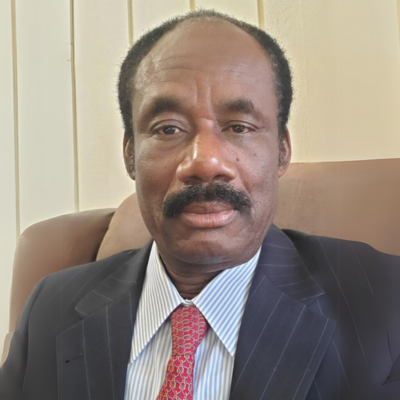
Professor Pierre Boumtje
Professor of Agriculture Economics, Southern Arkansas University

Professor Valerie Goss
Associate Professor of Chemistry, Chicago State University

Dr. Ikigu Thuku
Mary Greeley Medical Center

Professor Nicholas A. Kotov
Joseph B. and Florence V. Cejka Professor of Chemical Engineering, University of Michigan
Director, COMPASS
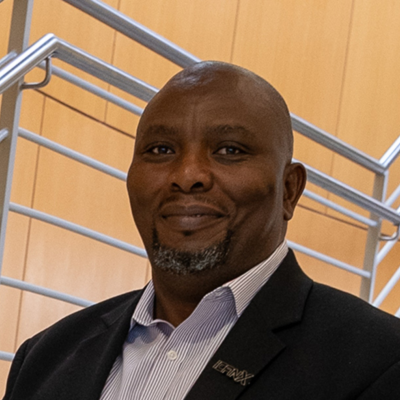
Professor Martin Thuo
Professor, Material Science & Engineering, North Carolina State University
Deputy-Director, COMPASS
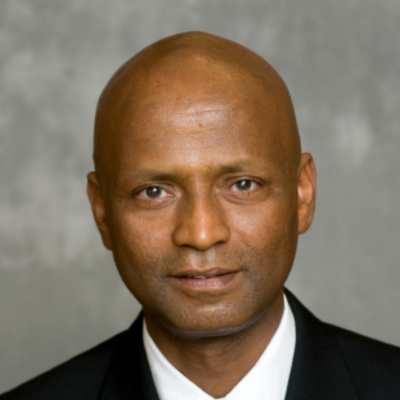
Dr. Yonas Gizaw
Scientist and Innovator, CEO - GreenChemSolution

Dr. Elena Della Valle
COMPASS Managing Director, PhD

Dr. Bemjamin Kwasa
Assistant Professor

Prof. Archana Bhaw-Luximon
How to Apply CERA
Eligibility Note
To be considered for the research fellowship, candidates must be at least PhD students in Science, Technology, Engineering, or Mathematics (STEM) fields.
Open on a rolling basis, next starting dates September 2026.
Dear Applicant,
Thank you for your interest in our program. Please note that any applications received at this time will be considered for the 2026 cycle.
We appreciate your enthusiasm and look forward to reviewing your submissions.
Best regards,
Elena della Valle
COMPASS Managing Director
Our Fellows’ Stories
We’re the fellows in the CERA Fellowship program. Get to know us!
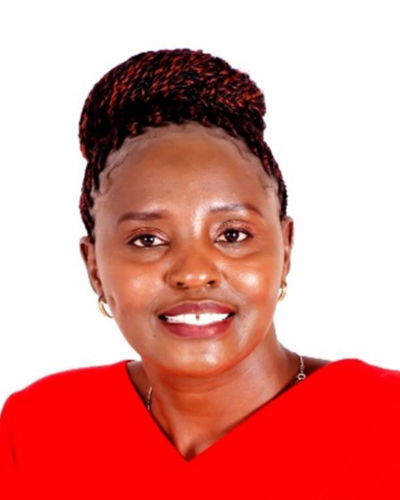
Dr. Bridget Mutama
Cohort#1, Prof. Kotov Lab
Interest in the development of plastic waste-derived carbon nanomaterials/core-shell nanostructures.
A visiting researcher from the Department of Chemistry, University of Nairobi, Kenya.
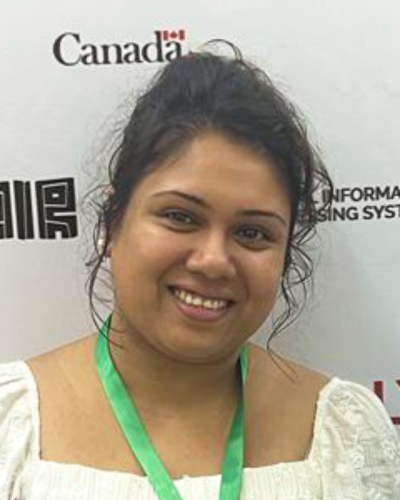
Lakshmi Sujeeun, PhD student
Cohort#1, Prof. Kotov Lab
Research focuses on applying machine learning (ML)
Centre for Biomedical and Biomaterials Research (CBBR), University of Mauritius – Mauritius
Member of COMPASS Junior Scientists Board.

Dr. Dickson Owuor
Cohort#1, Prof. Kotov Lab
Interests in unsupervised/supervised learning, graph theory, and chaos theory, for analyzing data.
Lecturer at Strathmore University in Nairobi, Kenya.
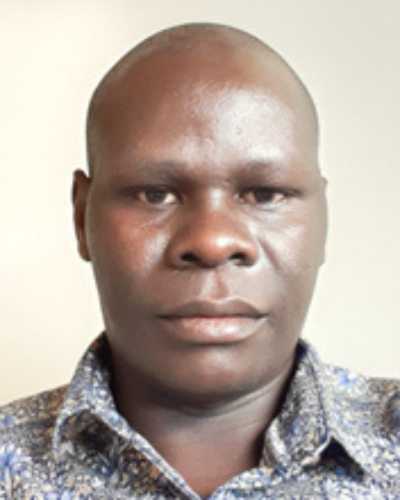
Dr. Duke Oeba
Cohort#2, Prof. Kotov Lab
Research focuses on investigation of the properties of novel materials for next-generation renewable energy.
Researcher and lecturer at the Department of Physics at Egerton University, Kenya.
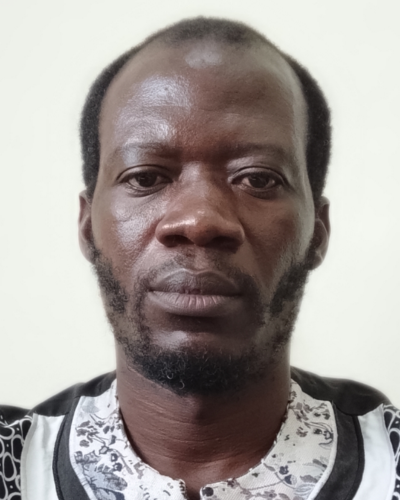
Yves Jonathan Ndje, PhD Student
Cohort#2, Prof. Bogdan Lab
Computer Science – Machine Learning Mechanisms for Monitoring and Fraud Detection, University of Douala – Cameroon
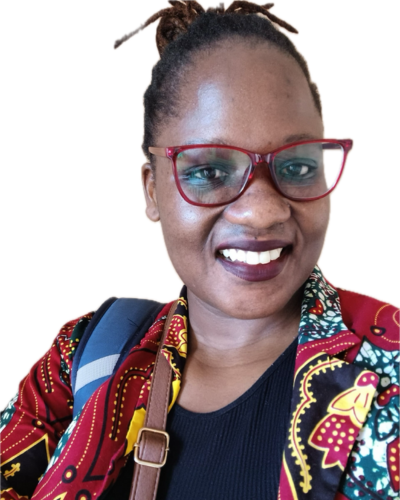
Thabiso Masole, PhD student
Cohort#2, Prof. Thuo Lab
University of Botswana, Gaborone, Botswana

Dr. Yash Boyjoo
Cohort#2, Prof. Qian Chen
CBBR, University of Mauritius, Mauritius
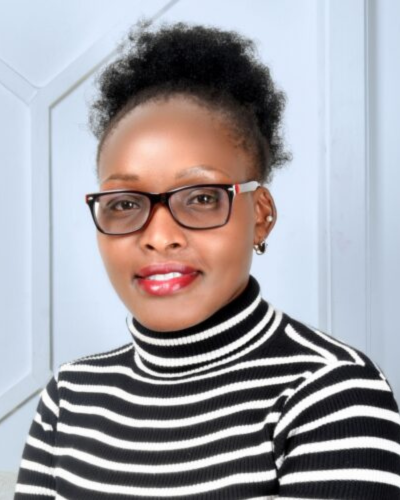
Susan Mwaka, PhD student
Cohort#2, Prof. Nikolla Lab
Catalysis
University of Nairobi, Kenya
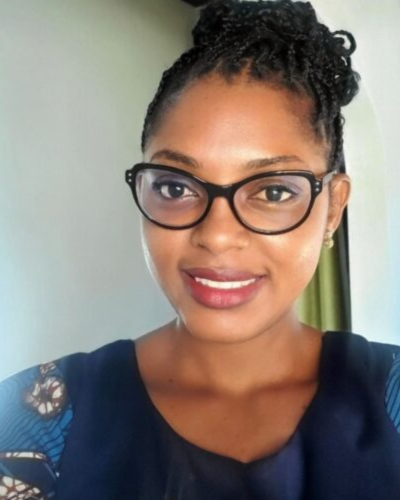
Nalova Hermia Ikome, PhD student
Cohort#2, Prof. Thuo Lab
Institute: Institute of Medical Research and Medicinal Plant Studies (IMPM)/ Research Officer
University of Yaounde, Cameroon
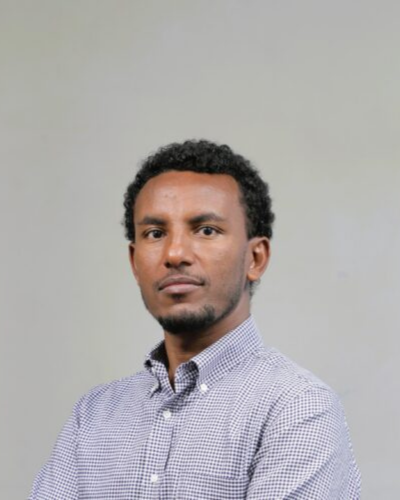
Dr. Anteneh Mersha, PhD
Cohort #2, Prof. Kotov
Assistant Professor
Research: Development of mechanically reinforced free-standing nanomembranes
Addis Ababa Science and Technology University,
Addis Ababa, Ethiopia
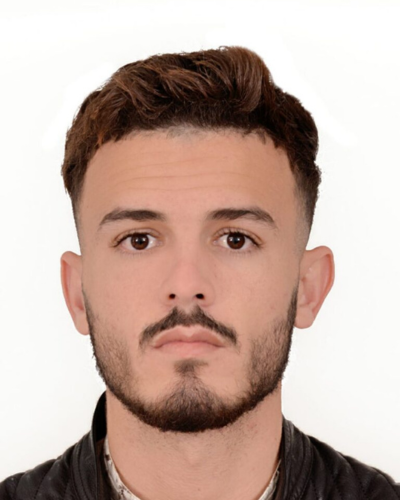
Naji Majoud, PhD Student
Cohort # 2, Prof. Thuo Lab
Materials Science, energy & Nano-Engineering
Mohammed VI Polytechnic University,
Benguerir, Morocco
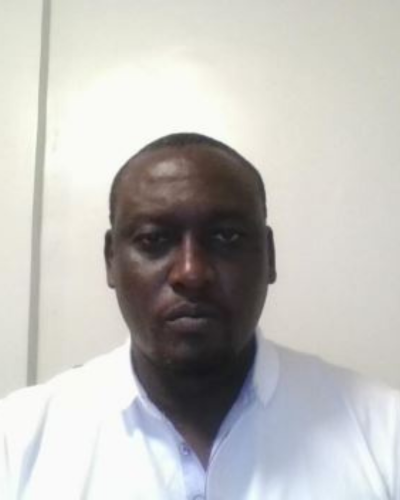
Jackson W. Muthengia
Cohort#2, Prof. Kotov Lab
The University of Embu inventor of the year 2024
CracksFox
Associate Professor of Physical Chemistry
Department of Physical Science
University of Embu, Kenya

CERA African Mentors
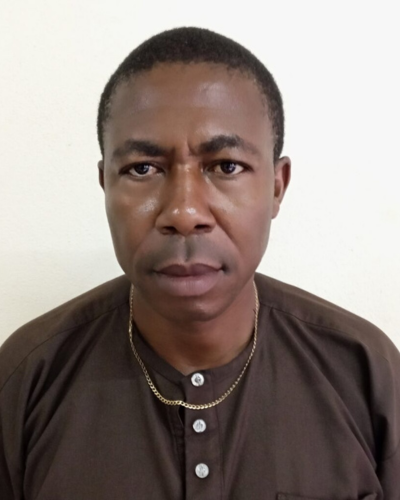
Natanael Tehna, Ph.D.
Research Areas:
Pollution of mining and urban ecosystems.
Evolution of materials within weathering profiles and in sedimentary environments.
Petrological characterization of supergene materials subject to anthropogenic influences.
E-mail: tehnanatanael@gmail.com
Superficial Formations and Applications Geosciences Laboratory
Department of Earth Sciences, Faculty of Sciences
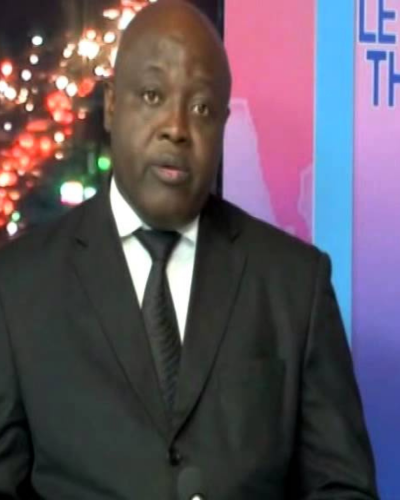
Prof. Léopold Gustave Lehman
Research Areas:
– Immunoparasitology and diagnostic of infectious diseases
– Creation of the first botanical garden in Douala and development of curricula for agritech and environmental protection in primary schools.
– Archeological research in Cameroon
leopoldlehman@gmail.com
https://www.ured-douala.com/curriculumvitae_18042008124420.asp
Prof. Lehman is a Biologist; Chairman of the Institutional Ethics Committee of the University of Douala, Cameroon and member of the ‘National Ethics Committee for Health Research’
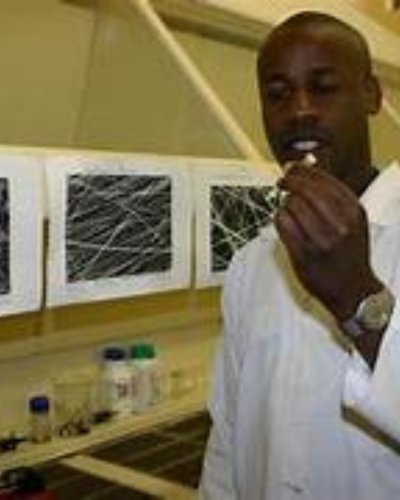
Samuel Chigome, Ph.D.
Research Interest:
Electrospinning, Water and Air FiltrationWork is primarily on electrospinning, initially with a focus on electrospun nanofiber based analytical device fabrication. Progressively, his application of electrospinning broadened to cover energy, health and the environment
Botswana Institute of Innovation Research, Gaborone/Botswana
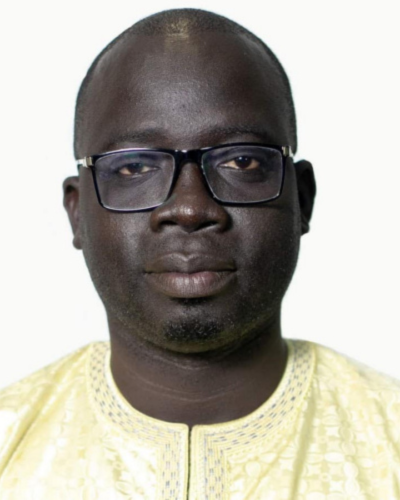
Prof. Balla Diop Ngom
Research Director, Department of Physics, UCAD/Dakar-Senegal
President of the African Materials Research Society and Chairman at NanoAfnet.Research focuses on Biomass which is transformed into activated carbon
balla.ngom@ucad.edu.sn
Prof. Richard O. Oduor
Associate Professor of Molecule Biology
https://spas.ku.ac.ke/department-of-biochemistry-faculty/prof-richard-o-oduor
RESEARCH INTERESTS: Genetic Engineering, Drug Discovery and Forensic Science
Department of Biochemistry, Microbiology and Biotechnology
Kenyatta University, Nairobi/Kenya
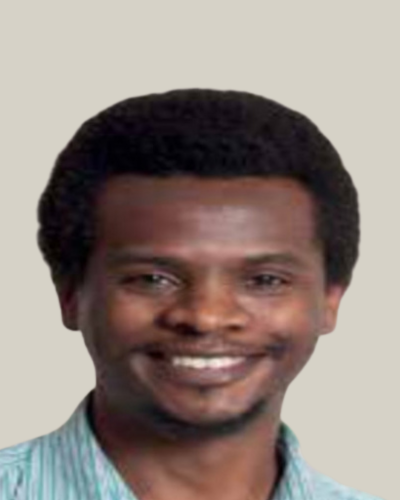
Dennis Karanja, Ph.D.
Architect and Lecturer
Department of Landscape Architecture/School of Architecture and Building Sciences
https://www.ajlajournal.org/articles/editorial-7
Jomo Kenyatta University of Agriculture and Technology
Nairobi, Kenya